The Power of Defining Your Waist: The Styling Trick That Flatters Almost Every Shape
Of all the styling tricks, defining the waist is the one that flatters the widest range of shapes — creating structure, proportion and an intentional line almost anywhere you place it. The style-your-shape edit: the power of waist definition, how to create it and the notes by shape and piece.
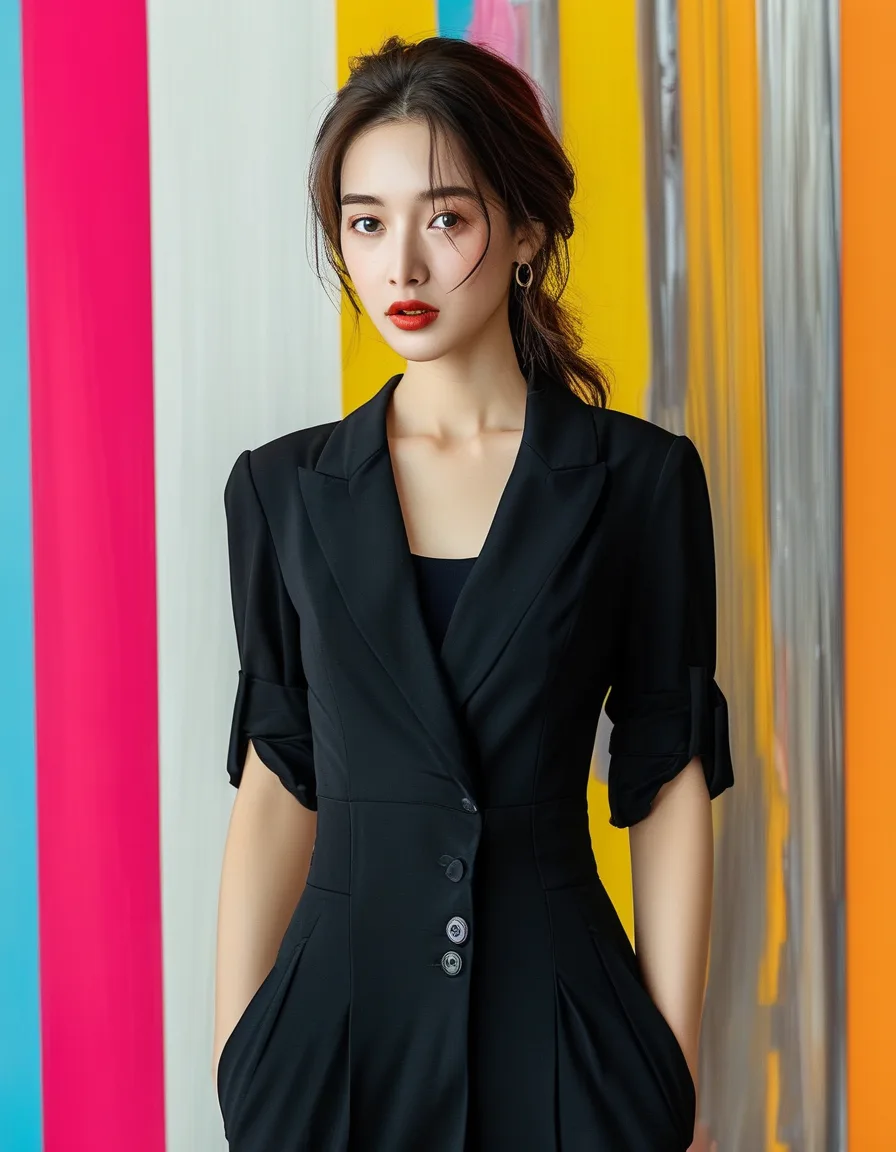
The Waist-Definition Case
Why defining the waist flatters so widely: the flatters-almost-every-shape (the waist definition creating flattering proportion across shapes — the near-universal trick; the dress-for-your-body-shape foundation), the creates-structure-and-proportion (the defined waist giving an outfit intentional shape — the structure over shapeless; the proportions-not-rules), the the-place-it-where-it-flatters (the waist defined at the most-flattering point for you — the proportion-control; the understand-your-proportions), the versatile-across-pieces (the waist definition available on dresses, tops and layers — the everywhere-applicable), and the reframe (the waist definition as the widely-flattering styling trick worth mastering).
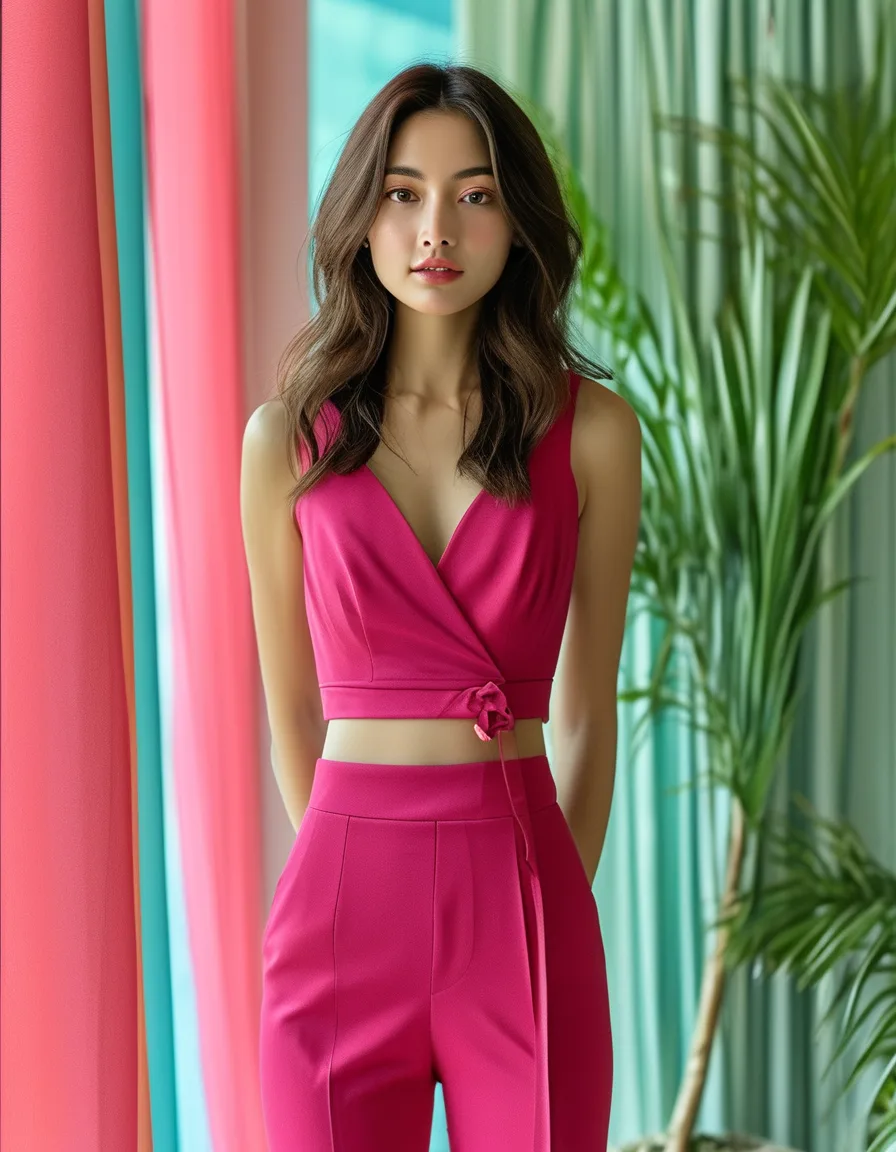
The How-to-Define-It Methods
Creating waist definition: the the-belt (the belt cinching a dress, coat or top — the instant-definition; the the-classic-tool), the the-tuck (the tuck (full or French) defining the waist — the tuck-technique; the top-into-bottom), the the-wrap (the wrap dress or top defining at the waist from the wrap-dress logic — the built-in-definition; the flatter-and-cinch), the the-high-waist (the high-waisted bottom marking the waist — the proportion-and-definition; the high-waist-power), the the-fitted-or-tailored (the fitted or nipped-in pieces from the tailoring logic — the definition-by-fit), the the-half-tuck (the relaxed half-tuck for effortless definition — the undone-definition), and the layer-that-cinches (the belted layer over a looser base — the define-through-the-layer).
The By-Shape-and-Piece Notes
Defining the waist by shape and piece: the where-to-place-it (the waist defined at your natural-or-most-flattering point — the your-proportions; the place-it-right), the the-wrap-for-most-shapes (the wrap dress flattering across shapes from the wrap-dress logic — the universal-cinch), the belt-over-anything (the belt adding definition to shift dresses, coats and looser pieces — the versatile-tool), the define-with-a-soft-middle (the waist definition options for a soft middle from the tummy-confident logic — the skim-and-define; the flattering-not-tight), the necklines-and-definition (the waist definition working with flattering necklines from the necklines-your-shape chapter — the whole-proportion), the statement-and-shape (the statement pieces with defined waists from the statement-pieces-your-body chapter — the bold-and-flattering), and the frame (waist definition as the widely-flattering trick created-by-belt-tuck-wrap-or-fit, placed-where-it-flatters — the styling trick for almost every shape. Define your waist with a belt, a tuck, a wrap or a high waist — placed at your most flattering point — and you create structure and proportion that flatters almost every shape: the widely-flattering styling trick.
Of all the styling tricks, defining the waist is the one that flatters the widest range of shapes — creating structure, proportion and an intentional line almost anywhere you place it. Create it with a belt (cinching a dress, coat or top), a tuck (full, French or a relaxed half-tuck), a wrap (built-in definition that flatters most shapes), a high waist, or fitted/tailored pieces. Place it at your natural or most-flattering point, use a belt to add shape to looser pieces, and choose skim-and-define options for a soft middle. Structure and proportion that flatters almost every shape.
Keep Reading
This article is for general styling and informational purposes only. Trends, sizing, availability and pricing may vary by brand and season.