Understanding Your Proportions: The Key to Every Outfit
Ever notice how an outfit looks incredible on a friend but somehow falls flat on you, even at the exact same size? Size has almost nothing to do with it — proportion is the real answer, and once you understand it, styling stops feeling like guesswork.
Quick Answer: Proportion is about how the parts of your body relate to each other — torso length versus leg length, shoulder width versus hip width — not your size on a tag. Working with your natural balance points (waist placement, torso length, hemline height) instead of against them is what makes an outfit look tailored rather than just “fine.”

Why does proportion matter more than size?
Proportion describes the relationship between the parts of your body, not the number on your waistband. Two people wearing the exact same size can need completely different styling because their proportions differ — one might have a longer torso and shorter legs, another the reverse, and the same pair of jeans will hit each of them differently. This is exactly why “flattering” is personal rather than universal, and why a friend’s perfect outfit doesn’t always translate directly onto you.
Once you internalize this, a lot of past shopping disappointments make more sense. It was never really about your size — it was about a cut that wasn’t built for your particular ratios.

How do you find your body’s balance points?
Start by noticing three things: where your natural waist sits, how long your torso is relative to your legs, and where your shoulders and hips fall relative to each other. These are your balance points, and they’re the foundation every good styling decision is built on.
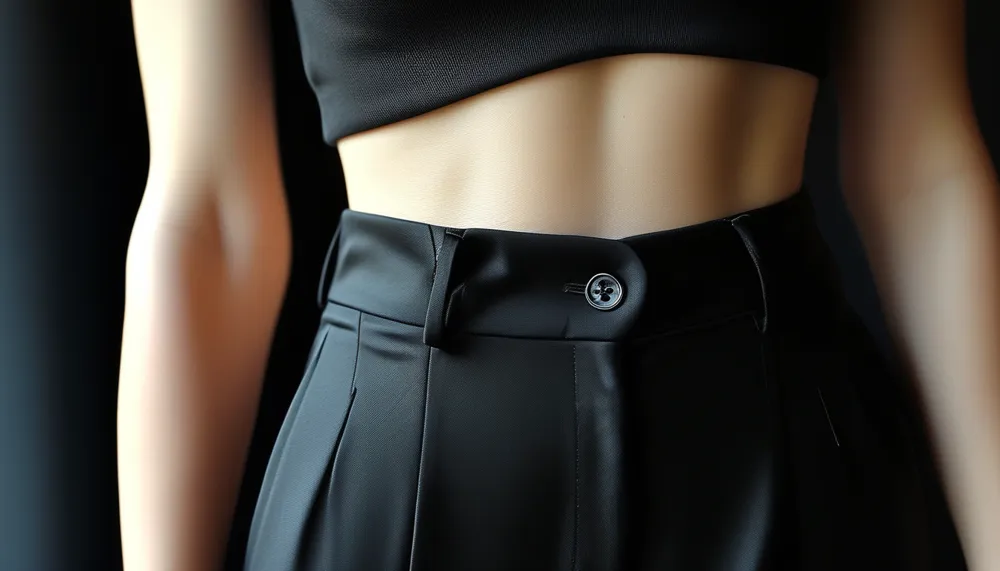
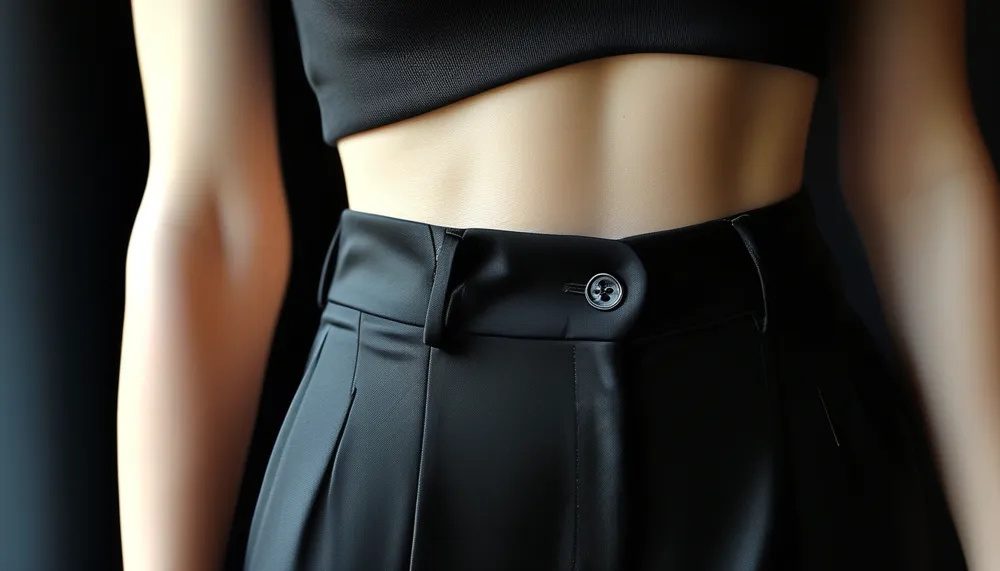
- Longer torso? High-waisted bottoms visually shorten the torso and lengthen the leg line.
- Broader shoulders or hips? A defined waist creates balance between the two, rather than emphasizing either extreme.
- Shorter legs relative to torso? A higher rise plus a hem that hits at or above the ankle bone reads longer than a low-rise, cropped combo.
None of this is about “fixing” anything — it’s about working with your natural lines instead of fighting them, which is the difference between an outfit that sits well and one that just sort of hangs there.

How do lines and hemlines change how your proportions read?
This is where styling turns into a bit of visual illusion — and it genuinely works. Vertical lines lengthen; horizontal lines widen. A vertical seam, a monochrome column of color, or a low-contrast outfit all elongate your silhouette. A contrasting belt or a horizontal stripe does the opposite, adding width at that point.
Hemline placement matters just as much:
- A hem that hits right at the narrowest point of your calf tends to lengthen the leg.
- A hem at the widest part of the calf can visually shorten it.
- Cropped hems that land above the ankle bone create the illusion of extra leg length, especially with heels or pointed flats.
A few inches of hem placement can change how a whole outfit reads — no new clothes required, just an adjustment to what you already own.
How does understanding proportion change how you shop?
Once proportion clicks, shopping genuinely transforms. You’ll instinctively know why a 9-inch rise works better on you than an 11-inch rise, or why a cropped jacket does more for your silhouette than a hip-length one — instead of trying on 15 pairs of jeans and not knowing why only one felt right. That instinct saves real time, real money, and a lot of fitting-room frustration.
What Nobody Tells You About Proportion
Nobody mentions that proportion advice is a starting point, not a rulebook — the “rules” exist to be broken once you understand why they work in the first place. Also rarely mentioned: your proportions can shift over time (posture, life changes, even the shoes you’re wearing that day alter how your balance points read), so it’s worth re-checking your go-to tricks every year or two rather than assuming they’re permanent. And here’s the quietly funny part: the person who looks effortlessly put-together every day usually isn’t more stylish than you — they’ve just figured out their own balance points and stopped experimenting with cuts that were never going to work for their frame.
FAQ
Is understanding proportions more useful than knowing your “body shape” (pear, hourglass, etc.)?
Proportion is more precise and more personal, since two people with the same labeled “shape” can still have very different torso-to-leg ratios. Body shape labels are a reasonable starting point, but proportion is what actually determines fit.
Can proportion tricks make you look taller?
Yes — vertical lines, monochrome outfits, higher rises, and hemlines that hit at the narrowest point of the leg all create the visual effect of extra height. None of it changes your actual height, but it changes how the eye reads your silhouette.
Do proportion rules change as trends change?
The underlying principles (vertical vs. horizontal lines, balance points, hemline placement) stay constant, but which cuts are available to apply them to does shift with trends. Learn the principle, not just the specific trending item, and it’ll keep working season after season.
TL;DR:
- Proportion is about how your body’s parts relate to each other, not your size
- Find your balance points: waist placement, torso length, shoulder-to-hip ratio
- Vertical lines lengthen, horizontal lines widen — use this to your advantage
- Hemline placement can visually add or shorten leg length by a few inches
- Understanding your proportions makes shopping faster and more instinctive
- Treat proportion tips as a flexible starting point, not a fixed rulebook
Keep Reading
This article is for general styling and informational purposes only. Trends, sizing, availability and pricing may vary by brand and season.